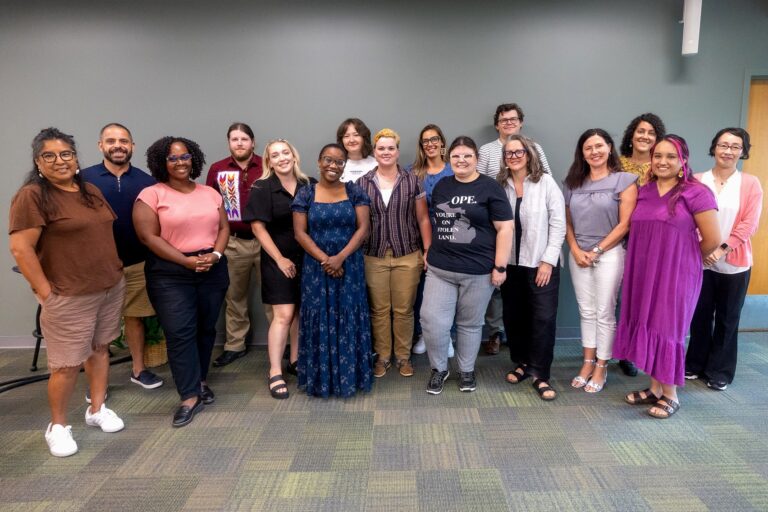
Hayley Asai, an Honors College student with a double major in Graphic Design and Experience Architecture (XA) at Michigan State University who is from North Potomac, Maryland, gained experience working as a Graphic Design and Communications Intern for the Arts and Humanities Council of Montgomery County in Silver Spring, Maryland. She shared her experiences with this internship in the following Q&A that originally was published by the Excel Network.

What were your internship responsibilities?
I designed and managed the weekly arts newsletter sent to over 14,000 subscribers; created various social media and internal design projects; generated 50th anniversary branding for the fiscal year ’26 usage.
How did you obtain your internship?
I found this internship online on their website and reached out to the recruiter. After sending him an email including the requested materials (design samples, resume, and cover letter), I also sent a personal note about my specific interest in exploring the intersection of data, design, and arts in my home county.
What did your daily routine include?
There was no specific daily routine at this office, outside of prescheduled weekly meetings once per day. Our office focused on creating a positive and enjoyable environment for employees, which meant breaking routines and keeping things fresh. Some days I would be in the office all day designing or corresponding with grantees, while other days I would go out with the staff to concerts or exhibitions.
What was your favorite experience from the internship?
My favorite experience from the internship was opening night at the gallery our office managed. The staff member with whom I shared an office, Stefan, had curated a selection of artwork from the county collection, which was then presented at the gallery reception to county officials. That night was not only a great opportunity to celebrate Stefan’s work, but also to meet county officials and introduce them to art within the county.
What skills did you learn and/or build upon during your internship?
While building on my design skills was important to me, I feel that the time I spent learning about office culture and navigating the public art world were much more beneficial. I was able to see how different pieces of the public arts sector, such as grants and management move together to create a more cohesive whole. Watching different staff members come together to work on large-scale projects reignited my passion for delivering art to communities.
What did you learn about your career path as a result of the internship?
I’ve learned that there are jobs out there for me in public art. Not only that, but that I may also be more interested in an administrative role within the design world. This wouldn’t come as a surprise to any outsider looking into my life, with my history of leadership positions and heavy involvement with the campus arts scene. Still, it took real-life experience to understand that this is something I would be interested in pursuing in the future.
What are your future plans?
While I would be interested in looking for opportunities beyond my home area of the D.C. metro next year, my office has strong connections with national public arts agencies, and I am strongly considering an internship in that area.
What advice do you have for others seeking internship opportunities?
I’ve found the best success in my career so far making decisions that help me stand out from the crowd. Whether this is leadership roles, passions, letterpress printing, or unique projects, make the choice that sets you apart from the crowd. Also, don’t be afraid to wholly pursue your interests. You’ll be happier working at the intersection of things you care about. A bonus: if those intersections don’t exist, you can create them.